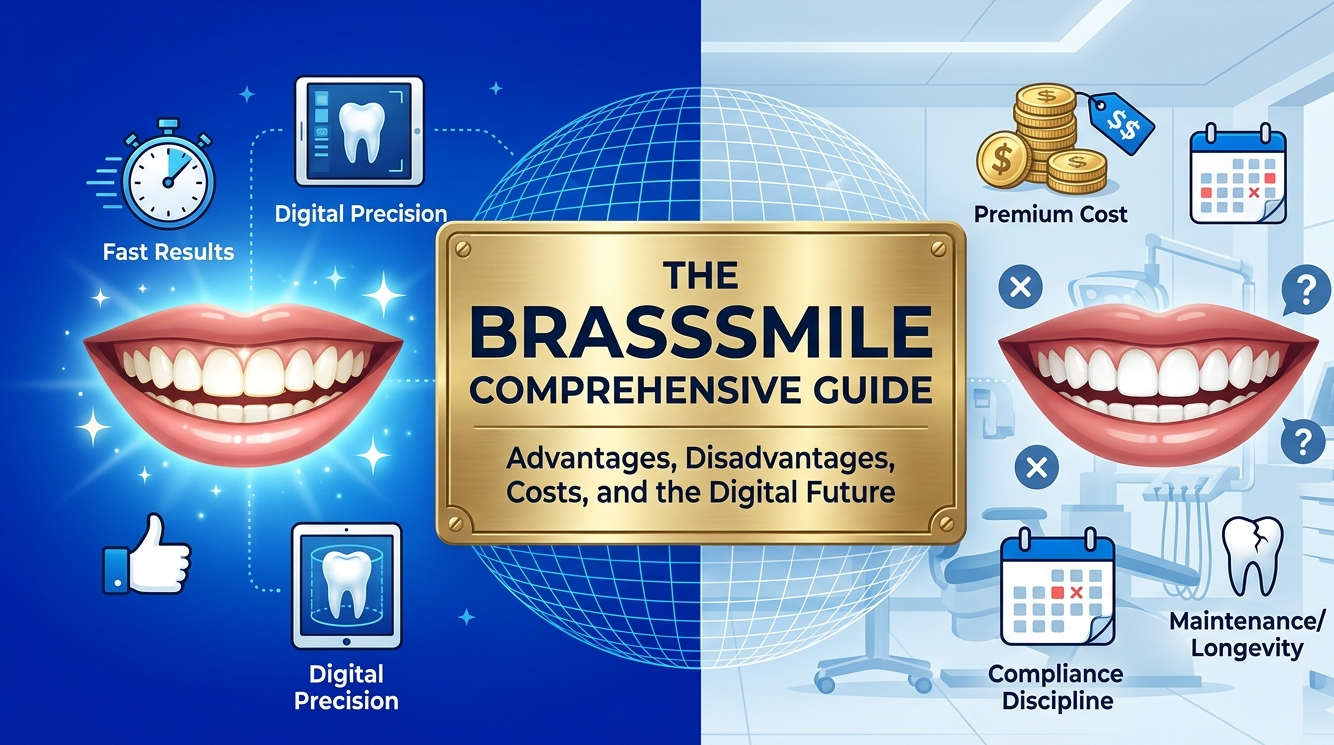
The quest for the perfect smile has evolved from traditional metal braces to highly sophisticated, technology-driven solutions. Among the emerging names in the cosmetic and restorative dentistry landscape, BrassSmile has gained significant traction. Whether you are looking to correct alignment, improve brightness, or restore structural integrity, understanding the specific pros and cons of this approach is vital.
In this comprehensive guide, we break down everything you need to know about BrassSmile, from its technical advantages to the potential drawbacks you should consider before booking your consultation.
What is BrassSmile?
Before diving into the benefits, it is essential to define what BrassSmile represents. BrassSmile is a modern dental ecosystem that integrates digital scanning, AI-driven treatment planning, and customized restorative materials to provide patients with a “signature” smile makeover.
Unlike one-size-fits-all treatments, BrassSmile focuses on “Aesthetic Engineering”—balancing the functional requirements of your bite with the visual appeal of a symmetrical, bright smile. It often involves a combination of:
- Clear Aligner Therapy for discreet straightening.
- Ultra-Thin Veneers or Composite Bonding for surface imperfections.
- Digital Smile Design (DSD) to preview results before the procedure begins.
The Advantages of BrassSmile
Choosing BrassSmile over traditional methods comes with a variety of benefits tailored to the modern patient’s lifestyle.
1. Precision through Digital Mapping
One of the primary advantages of the BrassSmile protocol is the elimination of messy, manual putty impressions. By using high-resolution intraoral scanners, practitioners create a 3D digital twin of your mouth. This ensures that aligners and veneers fit with micrometer precision, reducing the need for painful adjustments later.
2. “Preview Before You Pay” (Predictability)
Through Digital Smile Design technology, BrassSmile allows patients to see a virtual 3D rendering of their final results before the treatment even starts. This predictability reduces “patient anxiety” and ensures that the final aesthetic matches the patient’s expectations regarding tooth shape, length, and shade.
3. Minimally Invasive Techniques
Traditional veneers often require significant shaving of the natural tooth enamel. BrassSmile emphasizes biomimetic dentistry, utilizing ultra-thin materials that require minimal to zero preparation of the natural tooth. This preserves the structural integrity of your original teeth while still achieving a total transformation.
4. Faster Treatment Timelines
By utilizing AI to plan tooth movements and streamlining the lab fabrication process, BrassSmile often reduces the total treatment time compared to traditional braces. What used to take 24 months can sometimes be achieved in 6 to 12 months, depending on the complexity of the case.
5. Superior Comfort and Aesthetics
The materials used in BrassSmile—such as high-grade lithium disilicate or medical-grade polymers—are designed to mimic the light-reflecting properties of natural enamel. Furthermore, the clear aligners are laser-cut to the gum line, preventing the irritation and “metal mouth” look associated with traditional orthodontics.
The Disadvantages of BrassSmile
While the technology is impressive, it is not a “magic wand” for every dental issue. There are certain trade-offs and limitations to keep in mind.
1. Higher Upfront Costs
Because BrassSmile relies on high-end digital technology, specialized laboratory work, and premium materials, the initial investment is often higher than basic metal braces or standard composite fillings. For many, the cost is a barrier, especially if dental insurance categorizes the procedure as “purely cosmetic.”
2. Requires High Patient Discipline
If your BrassSmile plan includes clear aligners, the success of the treatment depends entirely on you. Aligners must be worn 22 hours a day. Failure to adhere to this schedule can lead to “treatment lag,” where the teeth do not move as planned, extending the timeline and potentially increasing costs.
3. Not Suitable for Severe Malocclusion
While BrassSmile is excellent for closing gaps, crowding, and aesthetic rotations, it may not be sufficient for severe structural jaw issues. Cases involving significant overbites, underbites, or skeletal discrepancies may still require traditional surgery or heavy-duty orthodontic hardware that BrassSmile’s discreet systems cannot provide.
4. Maintenance and Longevity
No dental restoration lasts forever. While BrassSmile veneers are durable, they can still chip if you have habits like nail-biting or teeth-grinding (bruxism). Patients must be committed to wearing a nightguard and maintaining a rigorous oral hygiene routine to protect their investment.
5. Sensitivity During the Transition
As with any treatment that moves teeth or alters the surface of the enamel, some patients report temporary tooth sensitivity or “tightness” when switching to a new set of aligners. While this is normal, it can be a minor inconvenience for those with low pain thresholds.
BrassSmile vs. Traditional Options: A Quick Comparison
| Feature | BrassSmile | Traditional Braces | Standard Veneers |
| Visibility | Nearly Invisible | Highly Visible | Invisible (Natural Look) |
| Removability | Yes (Aligners) | No | No (Permanent) |
| Treatment Time | 6–14 Months | 18–36 Months | 2–3 Appointments |
| Comfort | High (No Wires) | Low (Irritation) | Moderate (Enamel Prep) |
| Cost | Premium | Moderate to High | High (Per Tooth) |
Export to Sheets
Who is the Ideal Candidate for BrassSmile?
BrassSmile is best suited for adults and older teens who:
- Have mild to moderate crowding or spacing.
- Are looking for a “Hollywood” aesthetic without the “metal” look.
- Have healthy gums and no untreated tooth decay.
- Are disciplined enough to follow a strict wear schedule for aligners.
SEO Tips for Your Dental Journey
If you are researching “BrassSmile advantages and disadvantages,” keep these keywords in mind for further search:
- BrassSmile vs. Invisalign cost comparison
- BrassSmile reviews 2026
- Long-term durability of BrassSmile veneers
- Digital Smile Design clinics near me
Final Verdict
The advantages of BrassSmile—precision, speed, and aesthetics—often outweigh the disadvantages for patients who prioritize a high-tech, discreet experience. However, the financial commitment and the requirement for patient compliance mean it isn’t a decision to be made lightly.
Recommendation: Always schedule a comprehensive 3D scan and consultation. A qualified BrassSmile provider can use the digital data to show you exactly what can (and cannot) be achieved for your specific anatomy.
Frequently Asked Questions (FAQ)
1. Is BrassSmile painful? Most patients experience a “pressure” sensation during the first 48 hours of a new aligner set, but it is significantly less painful than the tightening of metal wires.
2. How long do the results last? With proper use of a retainer and good hygiene, the alignment results can last a lifetime. Veneers typically need to be evaluated for replacement every 10–15 years.
3. Does insurance cover BrassSmile? It depends on your provider. If the treatment is deemed “orthodontic necessity,” you may get partial coverage. If it is labeled “cosmetic,” you will likely pay out-of-pocket.

Leave a Reply